

You Got the Job. But Can You Handle the People?
Many graduates focus on building technical skills, acing exams, and getting certified. But once they enter the workplace, they realise the real challenge isn’t the work, it’s the people.

Miscommunication. Feedback that feels personal. A colleague’s bad mood affects the whole team. These are the soft challenges that most job descriptions don’t spell out.
And that’s exactly why emotional intelligence (EQ) has quietly become one of the most sought-after, but still underestimated professional skills.
Emotional Intelligence Defined (And Why It’s Not “Soft”)
Emotional intelligence is the ability to recognise, understand, and manage emotions, both your own and others’. It helps you:
- Stay calm when things go wrong
- Handle criticism without shutting down
- Read a room and respond appropriately
- Support teammates without losing focus
- Lead with empathy instead of ego
It’s not about being “nice” or “emotional”, it’s about being socially aware and self-controlled in complex human environments.

And in fast-paced, diverse, tech-driven workplaces, that’s become a must-have, not a nice-to-have.
What the Research Says: EQ Outranks IQ
According to TalentSmartEQ, a global emotional intelligence consultancy:
- 90% of top performers in the workplace have high EQ
- People with high EQ earn on average $29,000 more per year than those with low EQ
- Emotional intelligence contributes to 58% of professional success, across industries
A World Economic Forum (2025) report reinforces this, naming EQ as one of the top 10 skills of the future, alongside adaptability and complex problem solving.

Employers have noticed. More companies now assess soft skills like EQ during interviews, onboarding, and even performance reviews. It’s no longer about just doing the job, it’s about how you do it.
Why EQ Matters Even More in an AI-Driven World
AI can analyse data, automate emails, and even suggest communication templates. But it can’t sense frustration, calm a team under pressure, or mediate conflict.
As automation takes over more routine tasks, humans are left with the most human jobs, the ones that involve empathy, diplomacy, and emotional intelligence.
That’s why EQ is one of the few skills that not only resists automation, it grows more valuable because of it.
How Kingston Embeds Emotional Intelligence Into Education
Unlike many institutions that treat soft skills as optional or extra, Kingston treats emotional intelligence as a foundational skill for employability and leadership.
Rather than teaching it in isolation, EQ is developed through:
- Real-world simulations that involve interpersonal pressure
- Group projects that require self-regulation and compromise
- Feedback cycles where students must reflect and respond constructively
- Culturally diverse teams that push for emotional awareness and adaptability
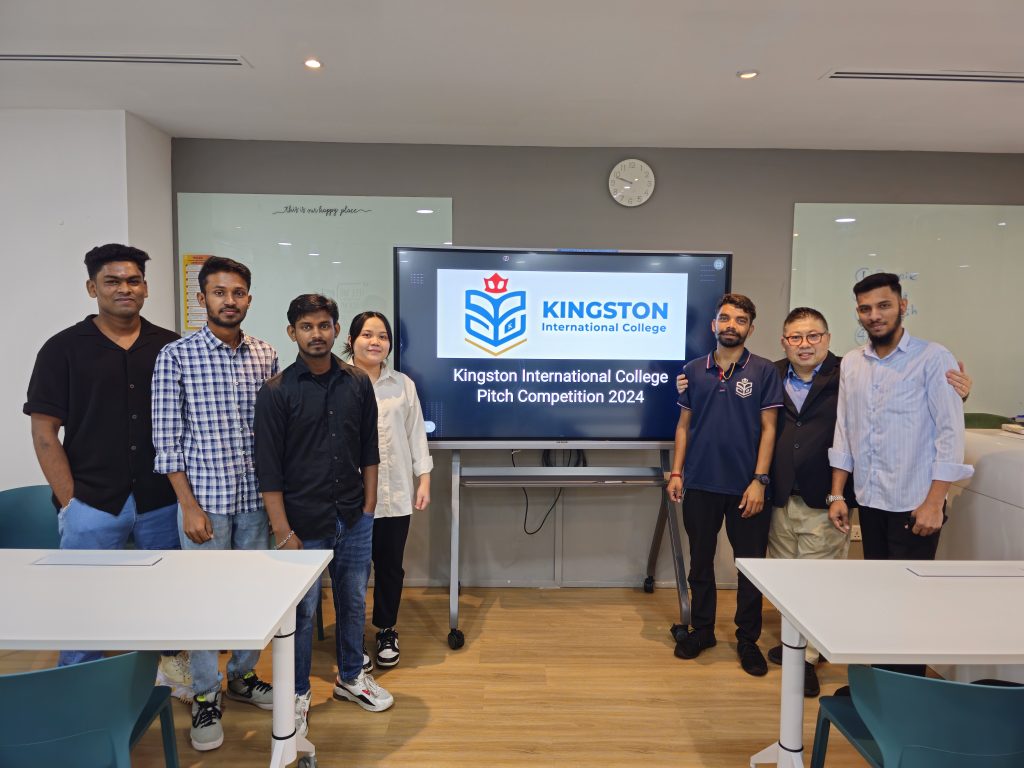
Students aren’t just learning how to think. They’re learning how to feel appropriately, act thoughtfully, and lead responsibly.
High EQ = Better Jobs, Better Teams, Better Growth
Whether you’re working in customer service, healthcare, tech, or business ops, your ability to read people, communicate with sensitivity, and stay composed under pressure will shape how far you go and how well you work with others along the way.
Emotional intelligence isn’t a bonus skill. It’s a differentiator, and it shows up in everything from job interviews to client meetings to promotions.
And yet, many graduates enter the workforce unprepared to handle basic emotional challenges. At Kingston, we aim to change that by graduating not just skilled individuals, but emotionally intelligent professionals.